Mapping Imaginaries
YEAR
2022-2024
ROLE
individual
METHODS
DISCOURSE ANALYSIS, ethnography
COLLABORATORS
PROF. WESLYNNE ASHTON
(Thesis Supervisor)
PROJECT OVERVIEW
I created a toolkit that helps multi-stakeholder groups surface and navigate competing visions of systems change, based on my doctoral research. I've put the toolkit to test at ID's Design for Climate Leadership course, for a project with the City of Chicago and 30+ individual stakeholders. The results were presented at ISIE (International society of Industrial Ecology) Conference in Leiden, NL and EPIC 2023 (Ethnographic Praxis in Industry Conference) in Chicago, and the toolkit was used in the subsequent courses.
CONTEXT
ID's Design for Climate Leadership course became the platform for turning the methodology I developed into a toolkit for practitioners.
The City of Chicago was planning a citywide food waste prevention initiative through the NRDC's Food Matters program. IIT Institute of Design's Climate Leadership course led by Prof. Weslynne Ashton partnered with the City to generate pathways to food waste prevention leveraging the strengths of public, private and community stakeholders.
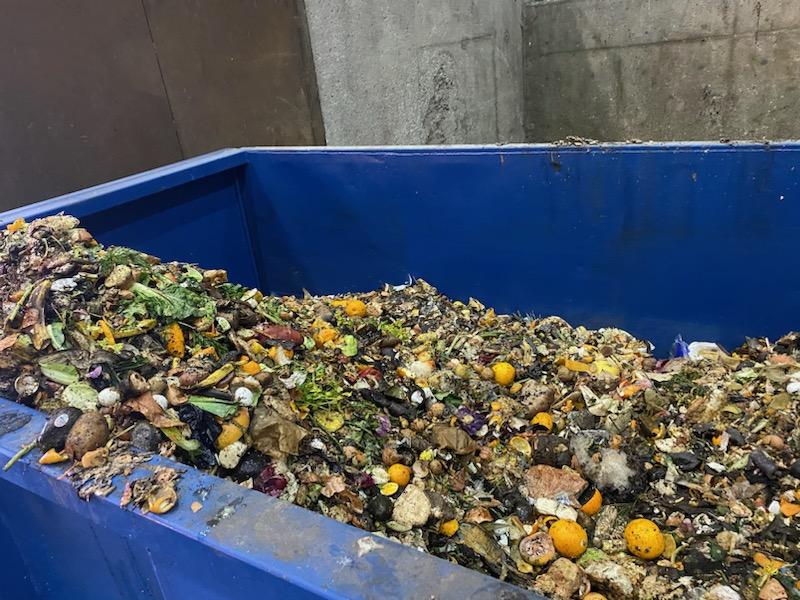
Image: City of Chicago
CHALLENGE
How do you align stakeholders when they fundamentally disagree on what matters?
Food waste meant different things to different stakeholder groups in Chicago. City agencies, community organizations, food industry, and NGOs each had radically different visions of what a "good food system" should look like. Rather than forcing alignment around shared buzzwords, we needed a way to surface these competing perspectives and leverage them strategically
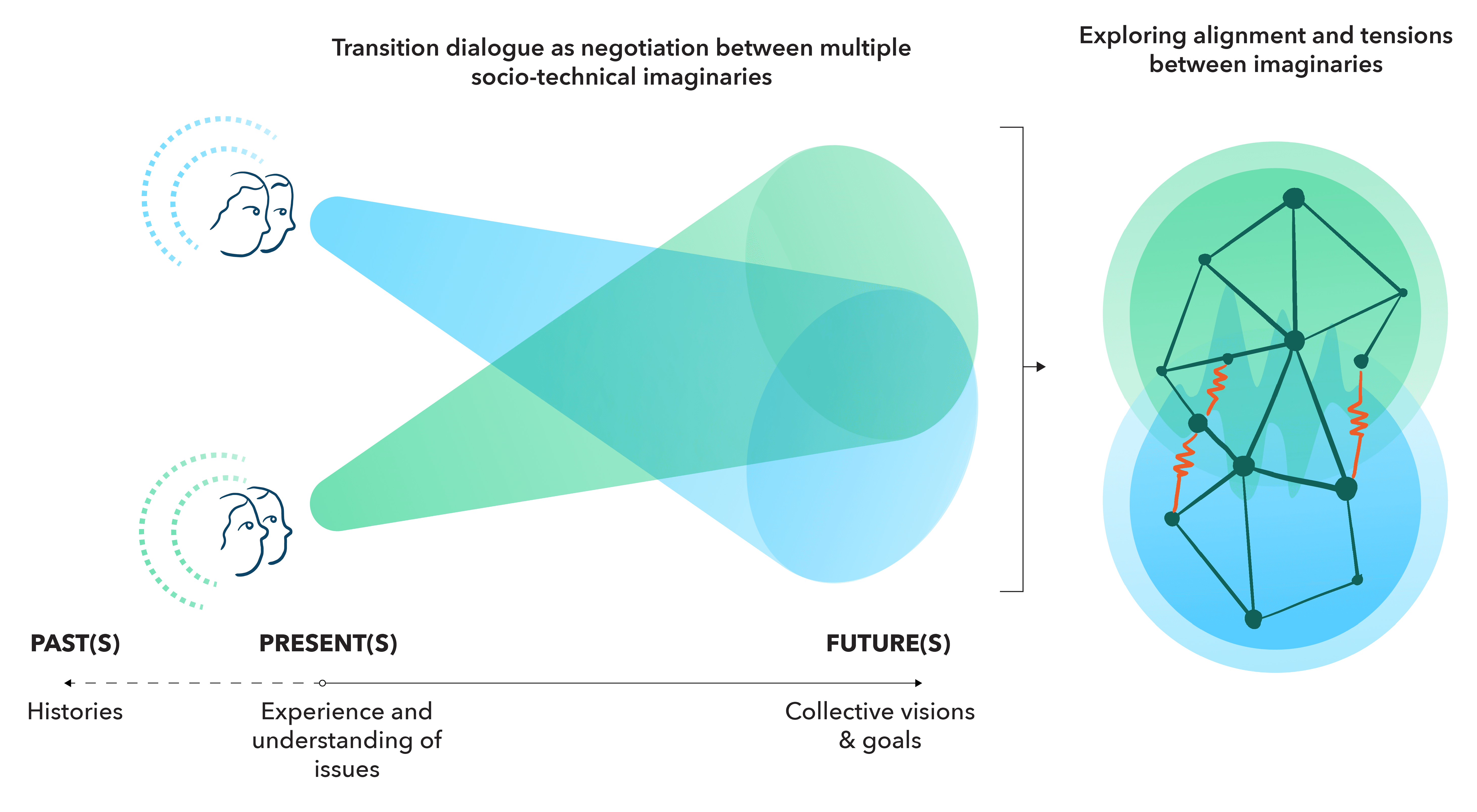
Imaginaries are collective visions for desirable futures. They emphasize that, beyond shared objectives, a desirable future might look different for different social groups.
How can we help stakeholders build collective strategies when there are unspoken disagreements over what "good" looks like?
APPROACH
I developed the Imaginaries Mapping Toolkit—a visual framework that uses stakeholder narratives to identify competing visions and surface the tensions between them.
Imaginaries Mapping Toolkit emerged from a methodology I developed while I exploring different approaches to the issue food security in Chicago, The method draws from Critical Discourse Analysis to unpack how different groups interpret shared goals (like "economic development" or "food access"), revealing divergent meanings beneath surface-level alignment. Rather than treating these differences as problems to resolve, the toolkit positions them as critical shifts that challenge dominant assumptions and open pathways for radical change.
PROCESS
The students used the toolkit to map stakeholders' visions for an ideal food system and identify the tensions emerging between them,
Students analyzed stakeholder websites, reports, and social media to see how each group talked about food waste. Using the template I provided, they unpacked what terms like "community empowerment" actually meant to different stakeholder groups—discovering that the same language masked fundamentally different visions of power and agency across city government, industry, and grassroots organizations.
The rebranded company experienced increased customer engagement, a boost in sales, and a stronger brand presence in the market.
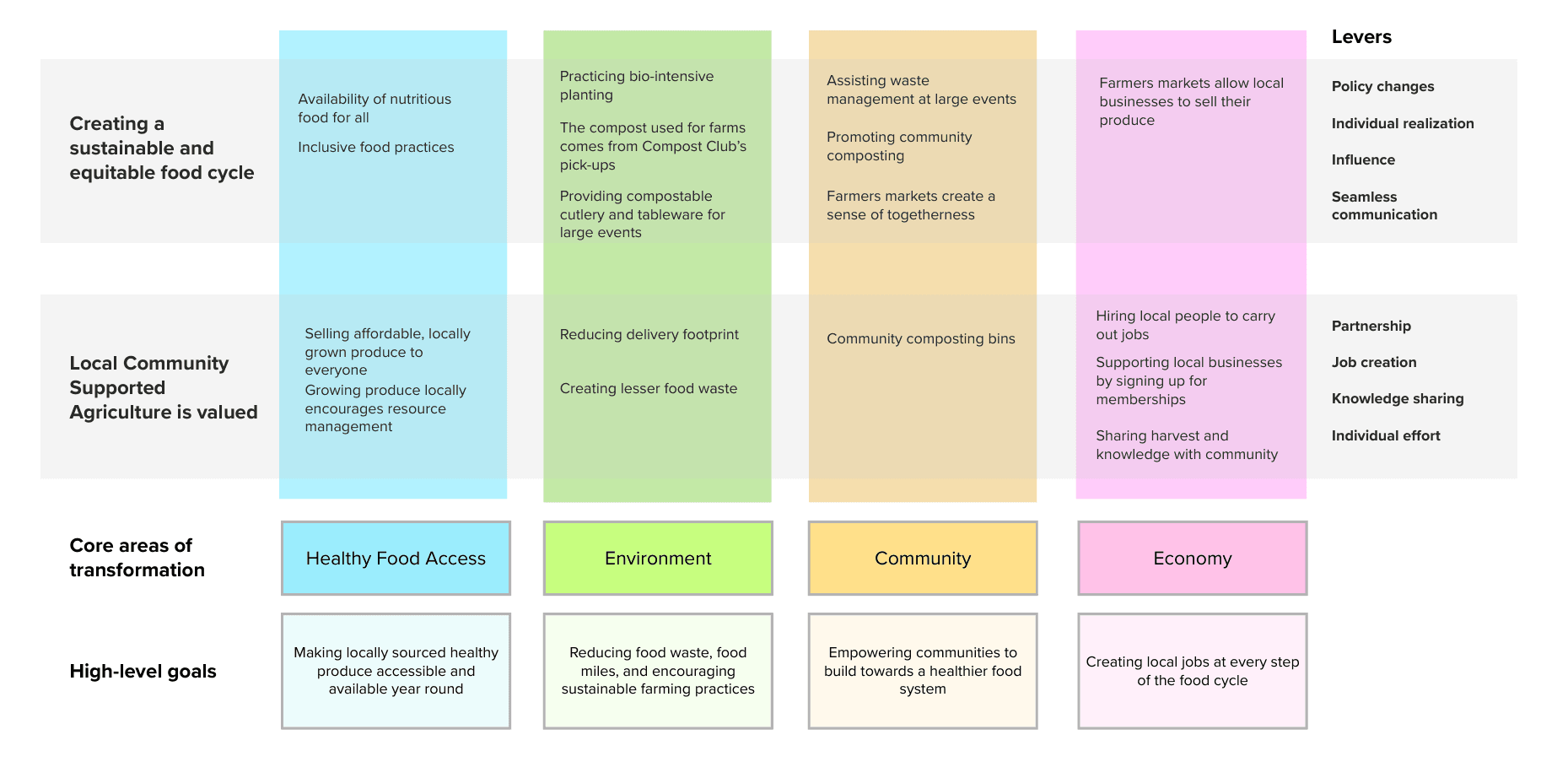
The students identified three distinct imaginaries driving the work towards a Chicago without wasted food: Sustainable Cities (green infrastructure through public-private partnerships), Strong Food Industry (local business with social impact), and Community-Led Food Justice (radical transformation rooted in racial equity and food sovereignty). Using the toolkit, they identified critical tensions—like whether solutions should be institutionalized (city/industry view) or decentralized (grassroots view), and whether data systems enable coordination or render community efforts invisible.
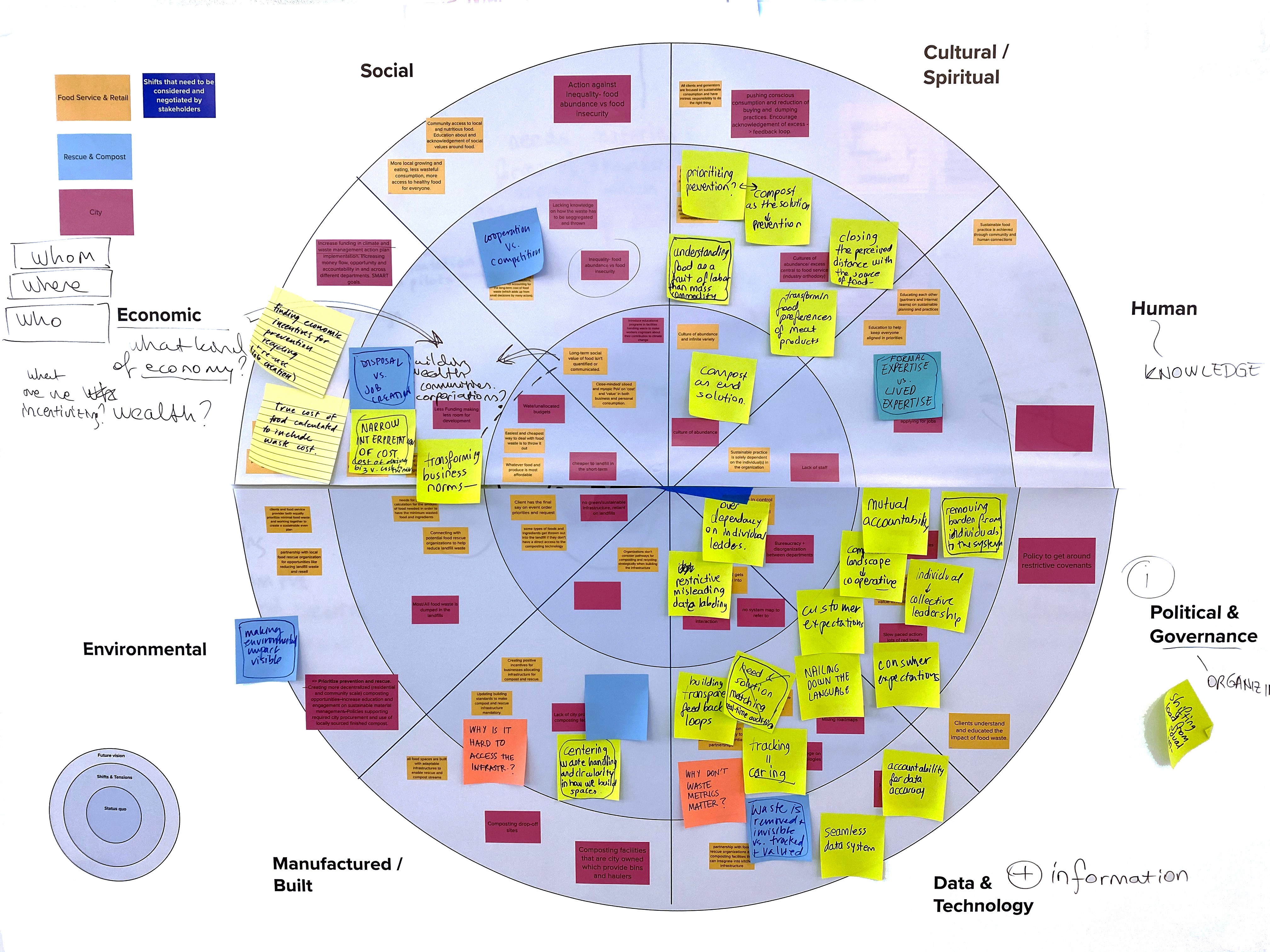
Students mapped stakeholders' future visions (outer ring), their understanding of the current challenge (center) and the proposed shifts (middle ring) in the system. They explored different dimensions of systems change such as social, economical or political shifts; and the emerging tensions between the proposed pathways.
ENGAGEMENT
The students used the toolkit to map stakeholders' visions for an ideal food system and identify the tensions emerging between them,
For the Think Tank event with 30+ stakeholders, I created a deck of "Critical Shifts" cards representing these tensions as dimensions of systems change to be unpacked and negotiated. For instance, culture card asked how food is perceived and valued in an ideal future: "as a commodity" vs. "as a shared resource".
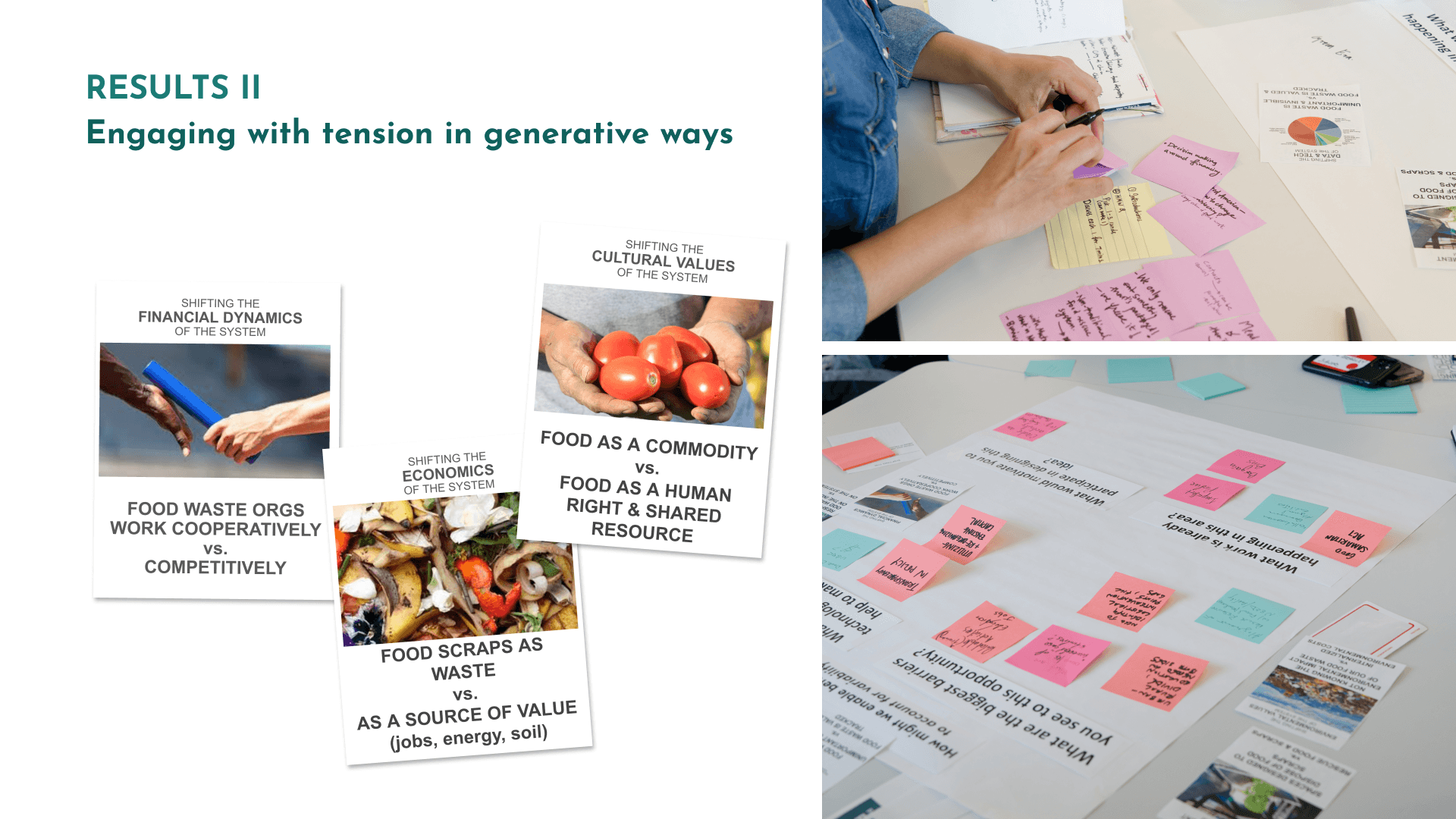
Workshop participants used the "Critical Shifts" deck to discuss different aspects of an ideal food system.
Students facilitated discussion groups where stakeholders used the cards to consider different dimensions of food systems change (i.e. social, cultural, environmental) as they iterated solution strategies. The goal wasn't to resolve tensions but to hold space for them as generative resources that could reveal what deeper changes were needed.
IMPACT
Toolkit was presented in two international conferences and added into the Design for Climate Leadership Curriculum in the subsequent years,
Our report to the City reframed these tensions as strategic opportunities—challenging the assumption that institutionalized, data-driven approaches are always better than the flexible, relational work of mutual aid networks. One of the Think Tank participants said that she continues carrying the 'Critical Shifts' deck to support advocacy conversations. The toolkit became part of the Design for Climate Leadership curriculum, where new students use it each year to navigate stakeholder tensions in systems projects.
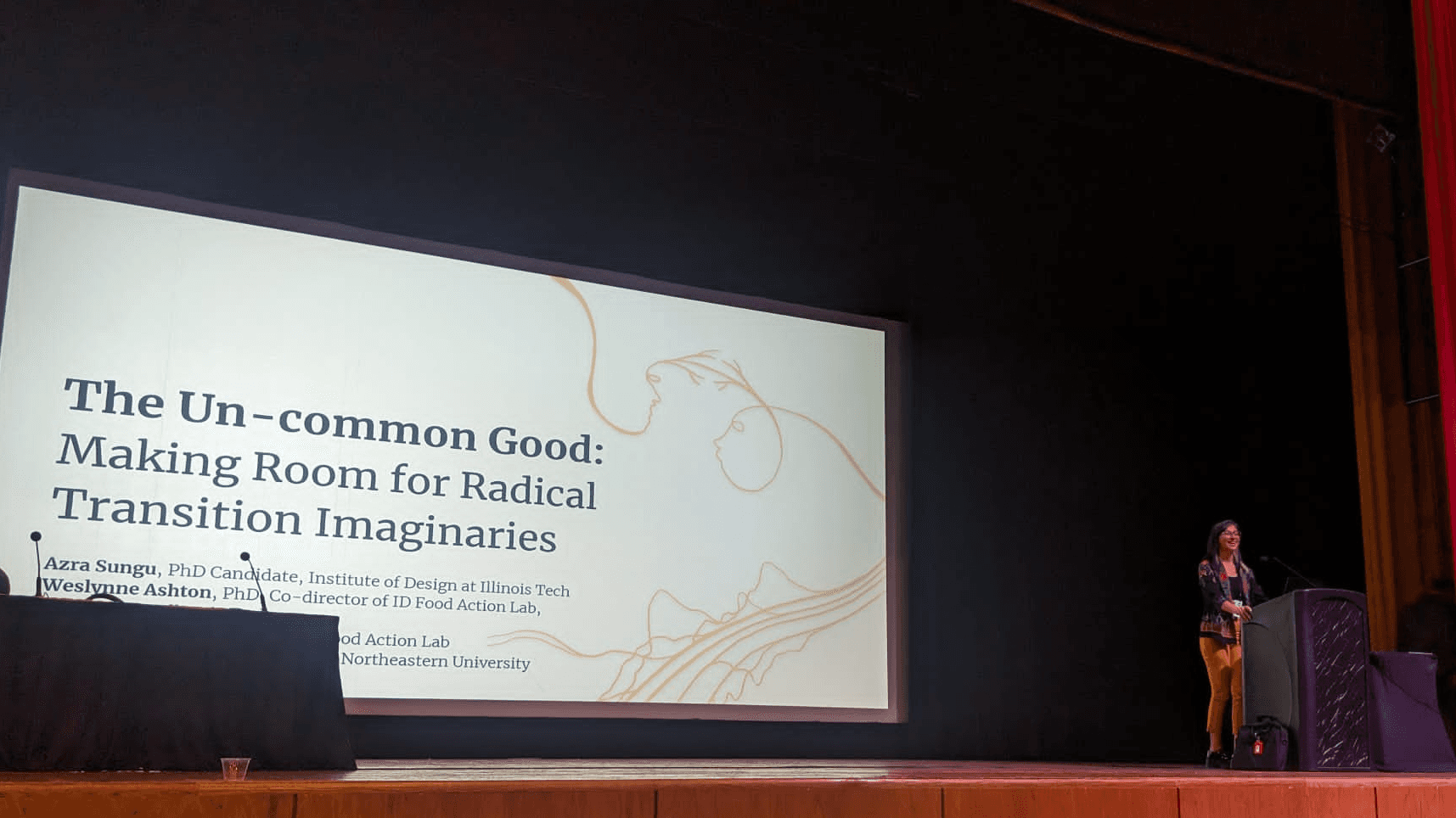
Presentation at EPIC 2023
I published the method at the 2023 EPIC Conference as "The Un-Common Good: Making Room for Radical Transition Imaginaries." The toolkit is being developed as an open-access resource for practitioners working on contested transitions.